
Landscape Materials for Pickup or Installation in Whitesboro, TX
Quality landscape materials available for pickup or installation from our Whitesboro, TX material yard
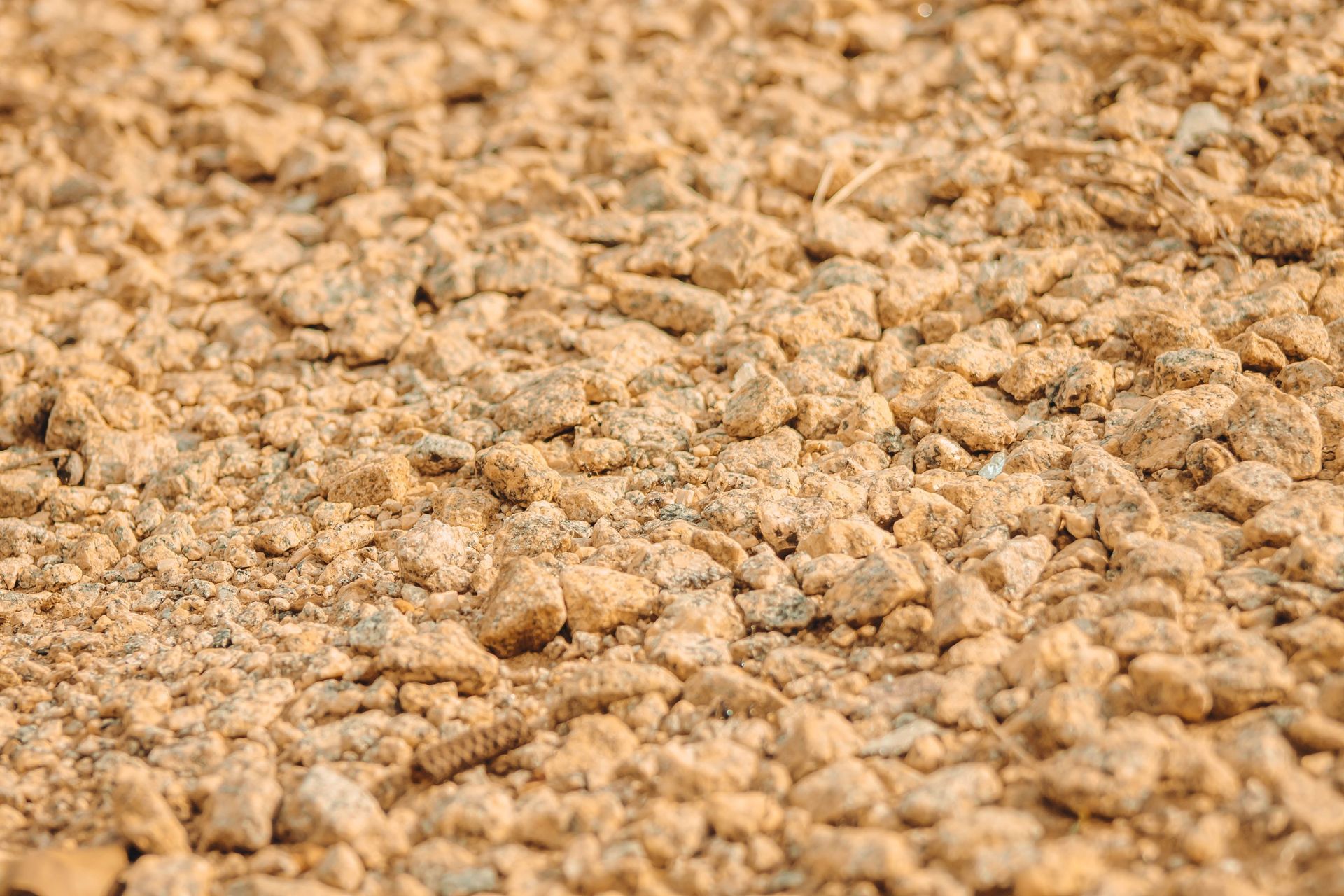
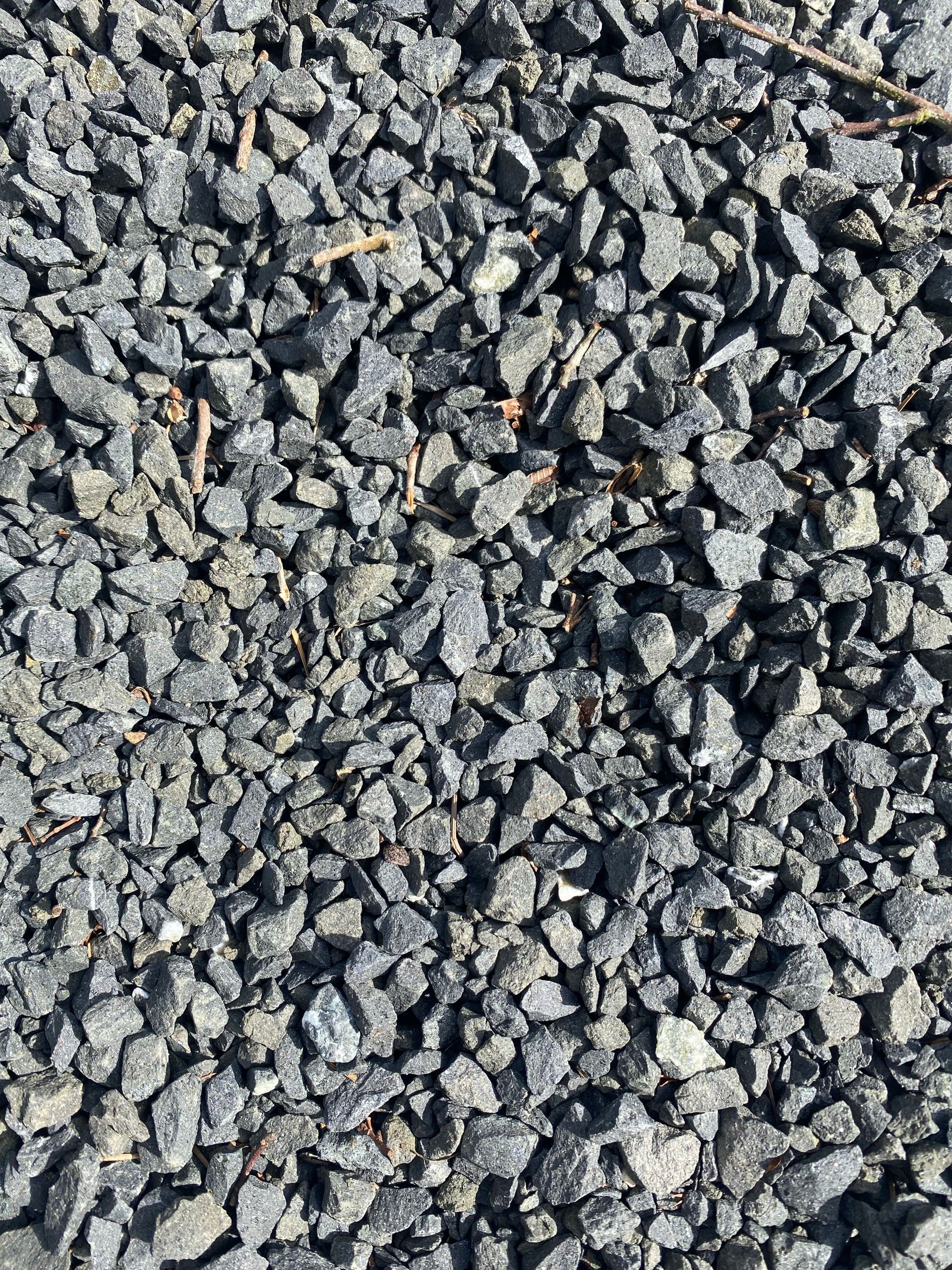
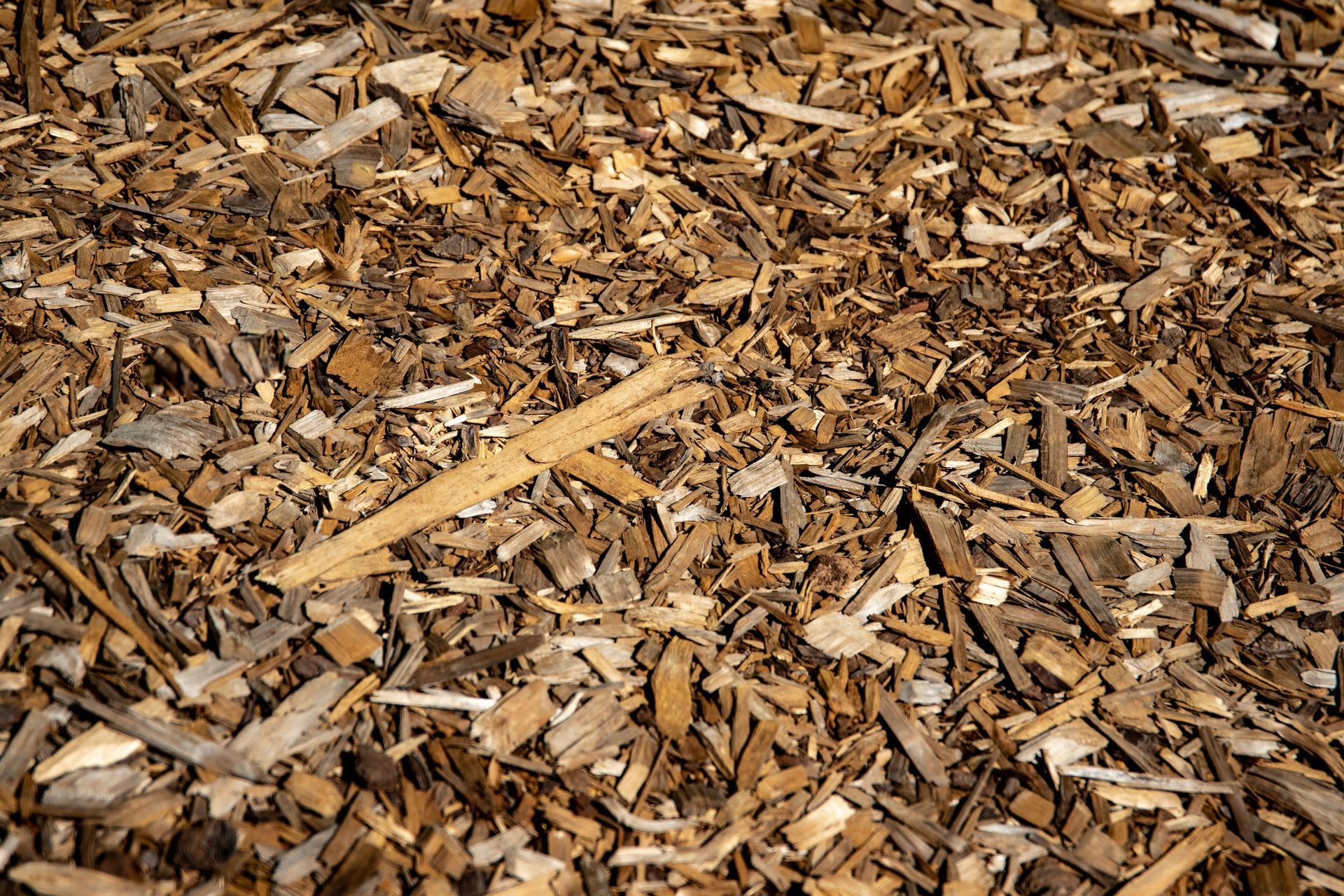
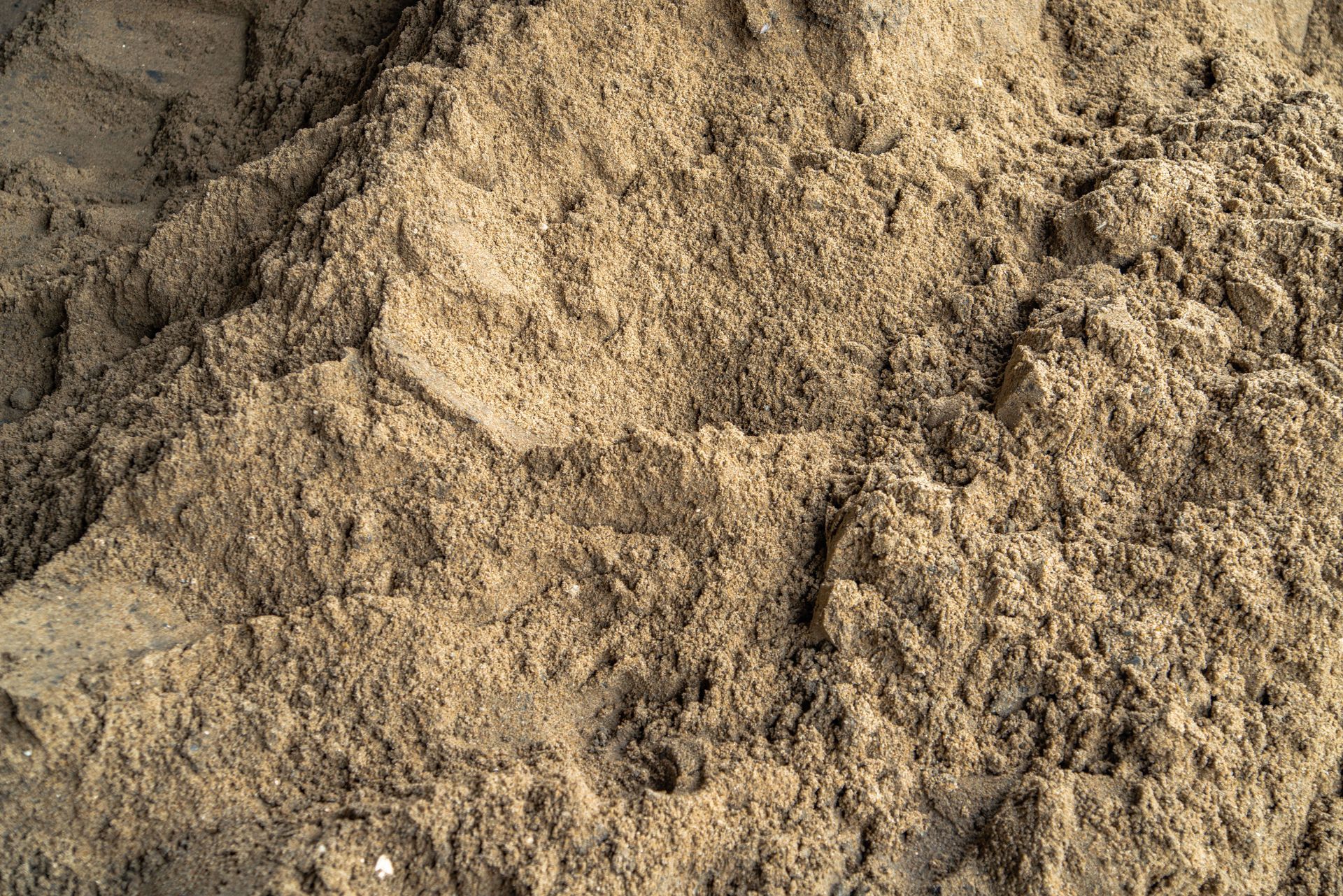
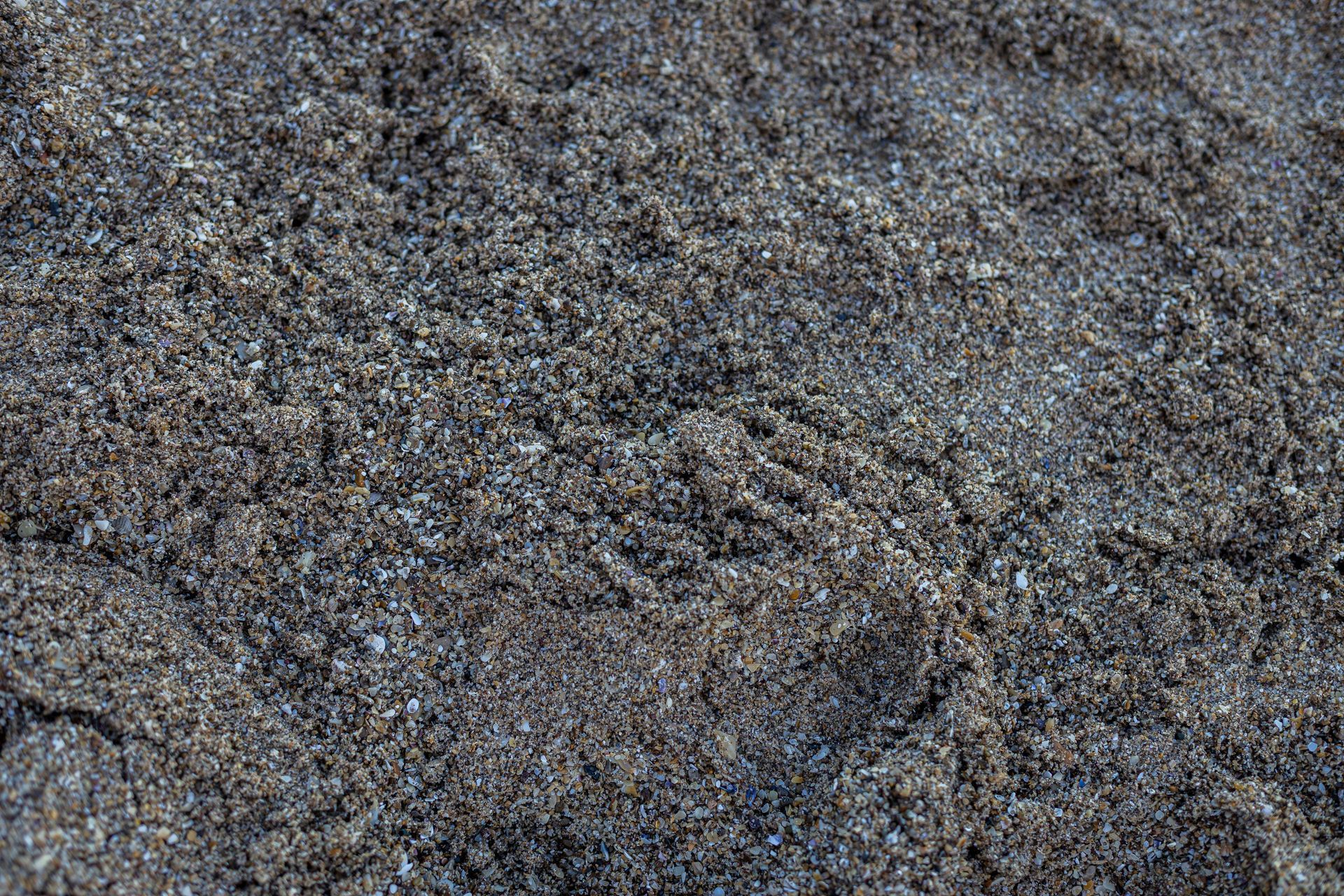
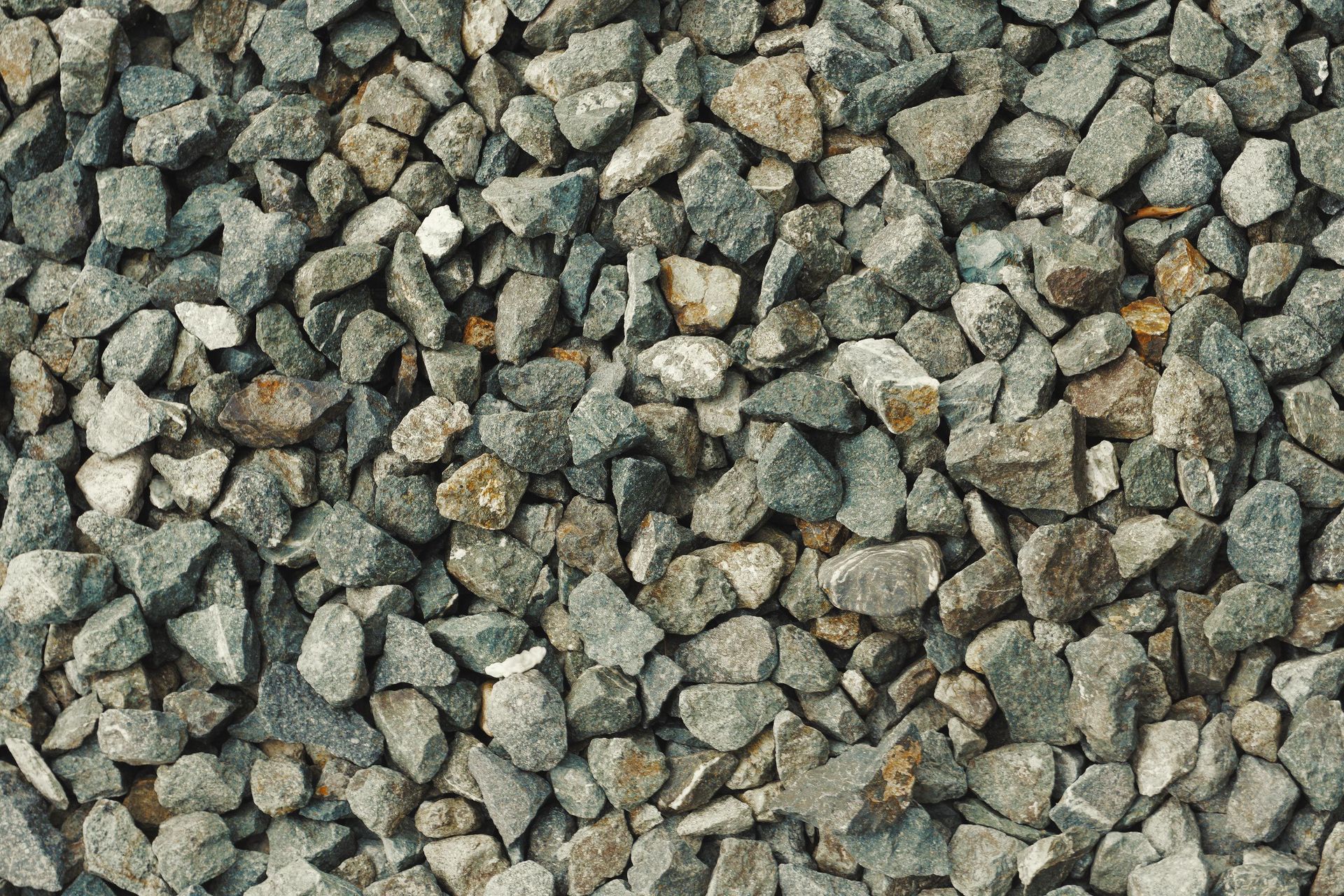
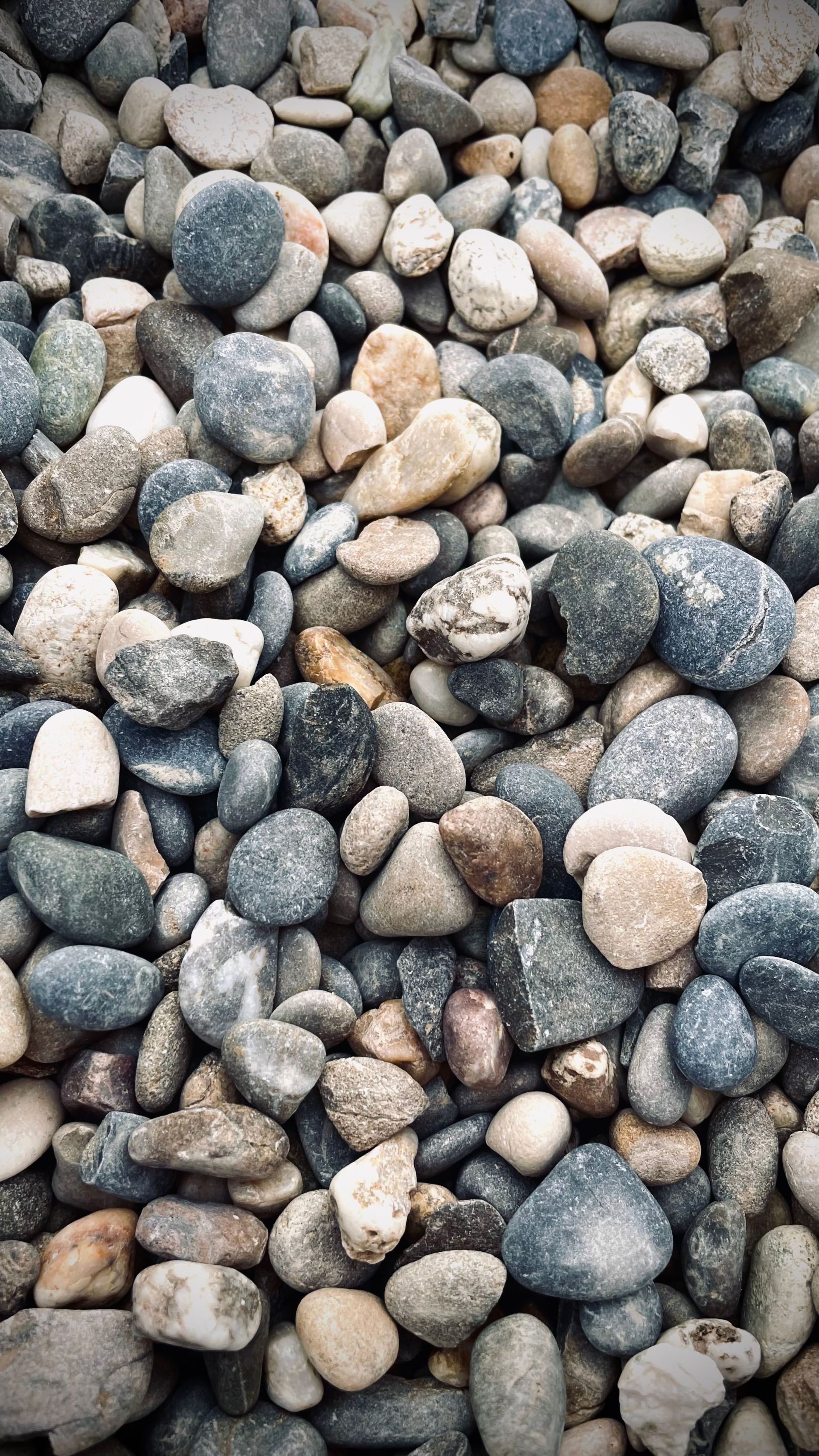
JPM Land Services offers a variety of landscape and aggregate materials for homeowners, contractors, property owners, and larger site projects. Available materials include decomposed granite, crusher run, mulch, mason sand, concrete sand, 1" crushed rock, and river rock. Materials are available for pickup from the JPM Land Services material yard at 19710 Hwy 377, Whitesboro, Texas 76273, or JPM can provide installation when you need help getting the material properly placed and finished.
Each material has its own applications depending on your project. Decomposed granite can be used for pathways, patios, walkways, and other areas where you want a natural-looking, compacted surface. Crusher run provides a stable aggregate base for driveways, paths, and other areas that require a strong foundation. Mulch is ideal for landscape beds and around plants, while mason sand and concrete sand are suited for different masonry, construction, leveling, and hardscape applications. 1" crushed rock works well for drainage, landscaping, and aggregate surfaces, while river rock provides a natural decorative option for beds, borders, drainage areas, and other landscape features.
Need material for an upcoming project? JPM Land Services can help you determine the appropriate material and quantity based on your project's size and intended use. Visit the material yard at 19710 Hwy 377, Whitesboro, TX 76273, or contact the team to discuss your project and installation needs.
Visit the Yard
Bucket sales can be a convenient option for smaller landscaping and property improvement projects when you only need a limited amount of material. Purchasing by the ton is better suited for larger projects that require greater quantities, such as driveways, pathways, landscape beds, or aggregate base work.
Customers can pick up their material directly from the JPM Land Services material yard in Whitesboro, or arrange for JPM Land Services to handle installation. Professional installation can be especially helpful for projects involving grading, spreading, leveling, or compacting aggregate materials.
The right material depends on how you plan to use it. JPM Land Services offers decomposed granite, crusher run, mulch, mason sand, concrete sand, 1" crushed rock, and river rock to accommodate a variety of landscaping, construction, drainage, and property improvement projects.
What Property Owners Usually Ask
Choosing the right material and determining how much you need can make a major difference in your finished project. Below are answers to common questions about JPM Land Services' materials, purchasing options, and Whitesboro material yard.
How do I know whether to buy by the bucket or by the ton?
Bucket quantities are generally a good option for smaller projects or when you only need a limited amount of material. Buying by the ton is better suited for larger projects that require greater quantities or coverage. JPM Land Services can help you determine the appropriate quantity based on your project.
What is decomposed granite used for?
Decomposed granite can be used for pathways, patios, walkways, dog runs, and other landscape areas where you want a natural-looking surface that can be compacted. It provides a different appearance and texture than traditional crushed rock or river rock.
Where is the JPM Land Services material yard located?
The JPM Land Services material yard is located at 19710 Hwy 377, Whitesboro, Texas 76273. Customers can visit the yard to pick up available landscape and aggregate materials. Contact JPM Land Services ahead of your visit to confirm material availability and pickup details.
Can I pick up my material or have JPM Land Services install it?
Yes. Customers can arrange to pick up their material from the Whitesboro material yard and handle the project themselves, or work with JPM Land Services for installation. Installation requirements and scheduling depend on the type and size of the project, site conditions, and weather.
How much material do I need for my project?
The amount of material you need depends on the size of the area, desired depth, and type of material being used. JPM Land Services can help calculate your material needs based on your project's dimensions so you can order an appropriate quantity.
What is the difference between mason sand and concrete sand?
Mason sand is a fine, smooth sand commonly used for masonry and certain hardscape applications. Concrete sand is a coarser aggregate commonly used in concrete mixes, under pavers, and for other construction applications. The best option depends on your specific project and how the material will be used.
JPM Land Services can help you choose the right landscape material and determine how much you need for your project. Whether you're picking up material for a DIY project or need professional installation, the team can help you find an option that fits your property's needs. Visit the material yard at 19710 Hwy 377, Whitesboro, TX 76273, or contact JPM Land Services to discuss your material and installation needs.